Comparing Concrete vs. Asphalt: Which is Best for Your Driveway?


When planning to install or replace your driveway, choosing the right material is a crucial decision. Two popular options are concrete and asphalt. Each has its own advantages and disadvantages, making the decision largely dependent on your specific needs and circumstances.
Durability and Longevity
One of the main factors to consider is the durability of the material. Concrete driveways are known for their longevity. They typically last 30 to 40 years with proper maintenance. On the other hand, asphalt driveways generally have a lifespan of 20 to 30 years. However, they are more flexible and can withstand temperature fluctuations better than concrete.
Cracking is a common issue for both materials. While concrete is prone to surface cracking due to its rigidity, asphalt can soften and develop cracks in extremely hot weather. Regular maintenance, such as sealing, can help extend the life of both types of driveways.
Cost Considerations
Cost is always a significant factor in any home improvement project. Asphalt driveways are typically less expensive to install than concrete, which can make them an attractive option for budget-conscious homeowners. The initial cost of asphalt is lower, but it may require more frequent maintenance over time.

Concrete, while more expensive upfront, may be more cost-effective in the long run due to its durability and lower maintenance requirements. It's important to weigh the initial investment against potential long-term savings.
Maintenance Requirements
Both concrete and asphalt driveways require maintenance to keep them looking their best and to maximize their lifespan. Asphalt driveways need to be sealed every few years to protect them from the elements and to maintain their appearance. Concrete driveways, while more durable, can benefit from sealing as well, especially in harsh climates.
- Asphalt: Requires sealing every 3-5 years
- Concrete: May require occasional sealing and cleaning
Aesthetic Appeal
The appearance of your driveway can significantly impact the curb appeal of your home. Concrete driveways offer a variety of finishes and colors, allowing for more customization to match your home's style. Stamped or colored concrete can add a unique touch to your driveway.

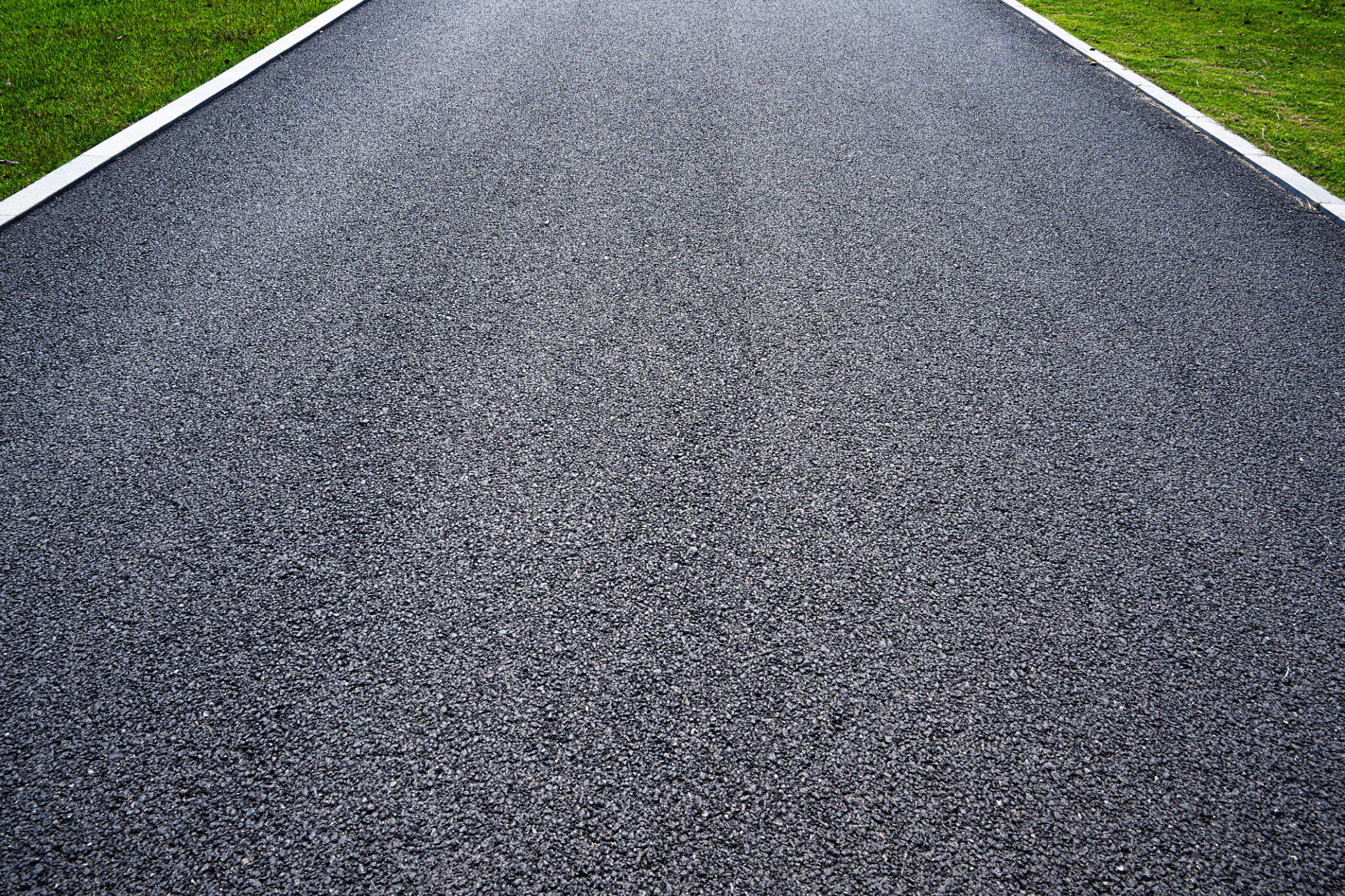
Asphalt, while more limited in design options, provides a classic, smooth, and uniform look. It is ideal for those who prefer a traditional appearance.
Environmental Impact
Considering the environmental impact of your driveway material is also important. Concrete production is energy-intensive and generates more CO2 emissions compared to asphalt. However, concrete driveways can be recycled at the end of their life.
Asphalt is considered more eco-friendly because it can be recycled and reused multiple times, reducing the need for new raw materials. This makes it an appealing option for those looking to minimize their environmental footprint.
Ultimately, the choice between concrete and asphalt for your driveway depends on your priorities, budget, and aesthetic preferences. By understanding the key differences, you can make an informed decision that best suits your needs.