5 Common Misconceptions About Concrete Durability


Understanding Concrete's True Strength
Concrete is often seen as a symbol of strength and permanence. Yet, despite its widespread use, many misconceptions persist about its durability. These misconceptions can lead to misinformed decisions in construction and maintenance.

Misconception 1: Concrete is Indestructible
One of the most common beliefs is that concrete is indestructible. While concrete is incredibly strong, it is not immune to damage. Factors such as weather conditions, chemical exposure, and physical stress can all contribute to its degradation over time. Proper maintenance is essential to ensure longevity.
Misconception 2: All Concrete is the Same
Another misconception is the belief that all concrete is created equal. In reality, concrete mixtures can vary significantly. The composition can be altered to meet specific requirements, such as increased resistance to freeze-thaw cycles or enhanced strength for heavy loads. Understanding these differences is crucial when choosing the right type of concrete for a project.

The Role of Environmental Factors
Environmental conditions play a significant role in the durability of concrete. Factors like temperature fluctuations, humidity, and exposure to pollutants can all impact its lifespan. By anticipating these environmental challenges, builders can take proactive steps to protect concrete structures.
Misconception 3: Concrete Doesn't Need Protection
Some believe that concrete doesn’t require any protective measures. In reality, applying sealants or coatings can greatly enhance its durability by preventing water penetration and reducing surface wear. These protective measures can extend the life of concrete structures significantly.
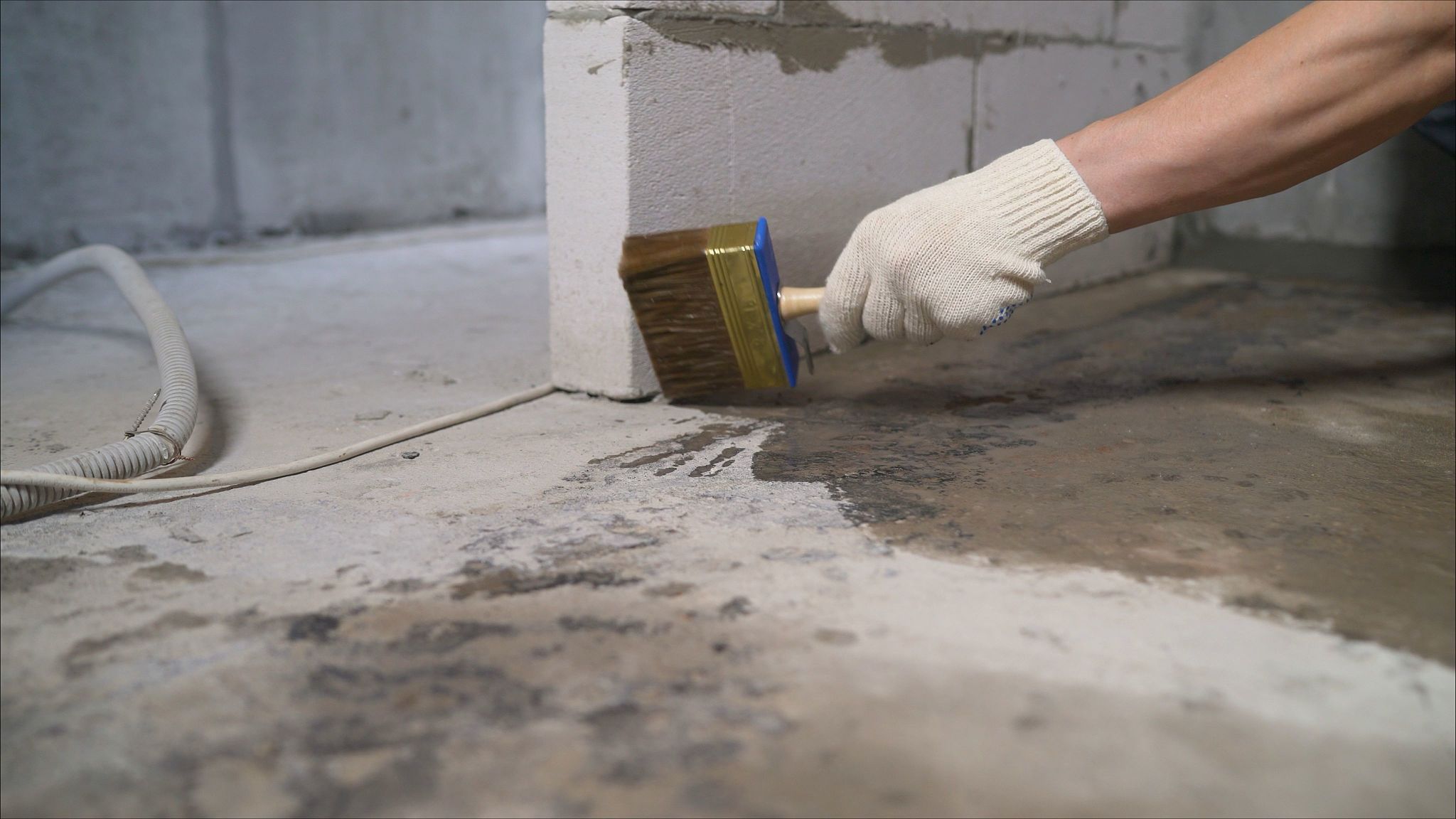
Importance of Proper Installation
The installation process is critical to the durability of concrete. Poor installation can lead to cracks, uneven surfaces, and premature failure. Ensuring that concrete is mixed, poured, and cured correctly is vital for achieving long-lasting results.
Misconception 4: Cracks Mean Failure
While cracks in concrete can be concerning, they don't always indicate failure. Some cracking is natural as concrete cures and settles. However, monitoring and addressing significant cracks is important to prevent further issues. Using control joints can help manage and minimize cracking.
Misconception 5: Maintenance is Unnecessary
Lastly, many assume that once concrete is installed, no further maintenance is needed. On the contrary, regular inspections and maintenance can prevent minor issues from becoming major problems. Cleaning, sealing, and addressing any visible damage can help maintain concrete’s integrity.
Understanding these misconceptions allows for better decision-making and enhances the performance and longevity of concrete structures. By acknowledging the true nature of concrete, we can ensure it remains a reliable and durable building material.